Violating the ceasefire again, Pakistani troops pounded Indian posts and civilian areas along the LoC with 82 mm mortar shells and fired from automatic weapons in Poonch district.

The floods that engulfed the state of Jammu and Kashmir have been unprecedented in its history. In fact, the deluge of rains suffered by the state was at par --- and in some case, far worse --- than what was witnessed in Uttarakhand in June last year.
.jpg)
After overnight intermittent firing, Pakistani troops targeted Indian forward posts and hamlets along the LoC in Jammu and Kashmir's Poonch district with rocket propelled grenades, mortar bombs and medium machine guns on Friday morning.
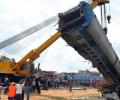
Investigators were on Sunday looking into what caused one of the deadliest train accidents in recent times as rescue operations continued

Pakistani Rangers on Thursday indulged in heavy firing and mortar shelling on five border outposts and some villages in Jammu district which left four persons injured, a day after a woman was killed in the ceasefire violations prompting India to lodge protest with Pakistan.

A total of 1,177 passengers are booked on the New Delhi-Bilaspur special train, which departed at 4 pm, while 1,122 passengers are booked on the New Delhi-Dibrugarh special train that departed at 4:45 pm.

The death toll is Jammu and Kashmir mounts to nearly 200 and thousands still wait to be evacuated.

Here's a recap of events that occurred in India in the past 24 hours.

Water levels have started receding in Srinagar and telecommunication has been restored in parts of the city after it faced the worst floods in decades.
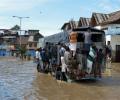
Rediff.com brings you monsoon images from across the country

The water level rose above the danger mark in Haridwar and Delhi and the level at Bhakra dam was a foot above the permissible mark.

Several households along the IB sustained damages in the overnight mortar-shelling from across the border, local residents said.

The farmers have described the compensation as a "joke" and are planning to protest against the BJP-PDP government.

Terrorists on Monday night killed seven Amarnath pilgrims, including six women, and injured 19 others as they struck at a bus in Kashmir's Anantnag district, in the worst attack on the annual pilgrimage since the year 2001. Five of those killed were from Gujarat and two from Maharashtra. Here are the latest updates:

Flood fury on Sunday maintained its grip over Jammu and Kashmir, leaving 138 dead and many marooned as the swirling waters inundated the army cantonment, Civil Secretariat and the high court in Srinagar and snapped road and communication links.
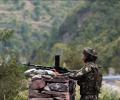
Troops of Pakistan opened fire at Army posts and civilian areas in Poonch district on the Line of Control with automatic weapons and rockets for the fourth day in row on Wednesday prompting army to return fire.

Jammu and Kashmir continues to remain on a flood alert as most of the rivers in the state are flowing above the danger mark.
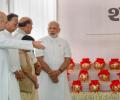
Prime Minister Narendra Modi and BJP chief Amit Shah handed over urns containing the ashes of the late leader to the party's state unit chiefs.

'We don't know what the reasons were that we gave back the Haji Pir Pass which was strategically very important. Today the entire infiltration into Kashmir takes place from that area. If we had retained that post that we had captured, things could have been different.' 'A lesson we need to learn is if you start losing the gains of war at the negotiating table, they become a disincentive for future wars,' says Lieutenant General D B Shekatkar (retd), reviewing the lessons from the 1965 War.

The stage on which the Jammu and Kashmir flood disaster played out is littered with protagonists, most of whom did not receive the attention they deserve, says Ajai Shukla

'For lakhs of people in the flood-afflicted state, battling against the elements is taking a huge toll. This is the time of the year that apples ripen, rice starts being harvested and preparations start in full swing to put aside some of the food stocks for the long winter months ahead. At this moment, though, people there believe if they can succeed in coming out of this calamity in one piece they will have won the war,' says Rashme Sehgal.

50 years after the 1965 War, India still thinks we can have a 'limited war' when our opponent has time and again shown it does not believe in a limited war, says Colonel Anil A Athale (retd).
